
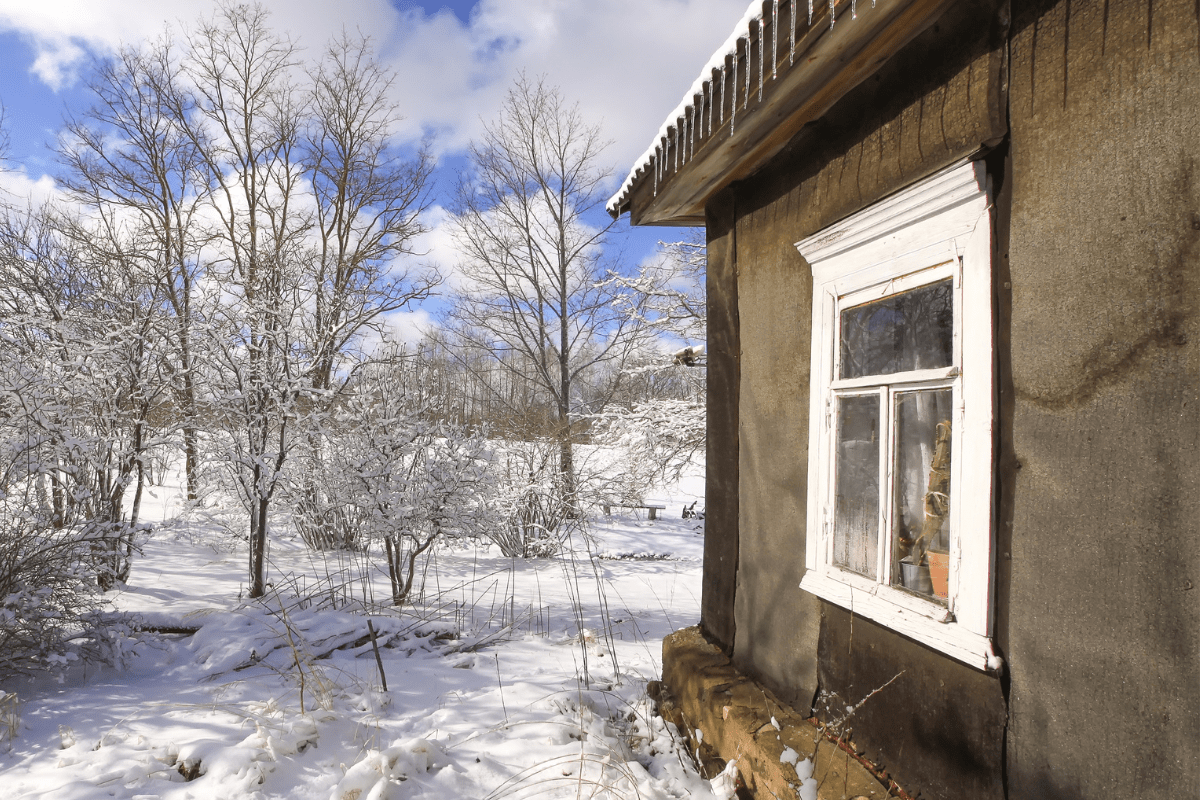
The harsh Quebec winters bring numerous concerns for homeowners, with foundation cracks being a frequent worry. Many myths circulate about winter foundation issues, often fueled by fears of costly damage. However, not all cracks are immediate threats. In this article, we will debunk popular beliefs about winter foundation cracks and expose the real dangers facing Quebec homes.
Myth 1: « Frost always causes cracks in foundations. »
One of the most widespread myths is that simply freezing ground is enough to crack foundations. In reality, while frost can cause pressure on structures, it’s not a direct cause of cracks. Instead, it’s the freeze-thaw cycles combined with poor water management around the house that gradually weaken foundations. When water seeps into the ground and freezes, it expands, creating pressure on foundation walls. Over time, this pressure can indeed cause cracks, especially if the foundations are not well protected.
Myth 2: « Winter cracks aren’t serious; they’ll close up in the spring. »
Another common belief is that cracks that appear in the winter will disappear or lessen once the weather warms up in the spring. While minor cracks may expand and contract with the temperature, structural cracks caused by frost pressure will not repair themselves. In fact, they can worsen over time, leading to more costly repairs. Ignoring a crack during winter could result in water infiltration during snowmelt, further exacerbating the problem.
Reality: Prevention is key
The best defense against winter foundation cracks is prevention. It’s crucial to ensure proper drainage around the house to prevent water from pooling near the foundation and freezing. Installing effective gutters and sloping the ground away from the house are essential measures to prevent cracks caused by freeze-thaw cycles.
Myth 3: « A foundation crack always means major repairs. »
Just because a crack is visible doesn’t mean it requires immediate major repairs. In fact, many surface-level cracks in concrete foundations are normal and don’t necessarily compromise the home’s structure. However, it’s important to distinguish between superficial and structural cracks. Large cracks, cracks that run through walls, or cracks that allow water to enter the home should be addressed promptly to avoid more significant damage.
Reality: Signs to watch for
It’s essential to recognize the signs that indicate a foundation crack is more than just a cosmetic issue. Here’s what you should truly worry about:
- Water infiltration: If water enters your basement through a crack, it can damage not only the structure but also your home’s contents.
- Stair-step cracks: This type of crack, resembling stair steps in block or brick walls, can indicate more severe structural issues.
- Cracks wider than 5 mm: A wide crack or one that expands over time should be examined by a professional.
Myth 4: « Foundations can’t be repaired in winter. »
Many homeowners believe that foundation repairs are impossible during the winter due to cold temperatures and frozen ground. In reality, certain cracks can still be repaired in winter, especially if they are located indoors or accessible without the need for digging. Specialized companies like Hénault Gosselin have technologies adapted to winter conditions, allowing them to treat cracks effectively before they worsen.
Prevention is better than cure
Foundation cracks are a reality for many Quebec homeowners, particularly during the winter. However, not all cracks are an emergency. It’s important to understand the myths and realities so you can make informed decisions. By monitoring your home closely and calling in professionals, when necessary, you can avoid costly repairs in the long run. For an inspection, diagnosis, estimate, or for a technical evaluation or information, call 1 800 363-1510 or visit our website. There you will find all the information about our services, our process, and our warranty.